web analytics

How Teens Mental Health Centers Create Structure During Uncertain Times

When a teenager begins to withdraw, argue more frequently, or struggle with anxiety or low mood, families often feel a mix of concern and uncertainty. It can be difficult to decide whether the situation calls for patience, a single therapy appointment, or something more organized. In those moments, teens mental health centers often enter the conversation because they offer coordinated services rather than scattered support.

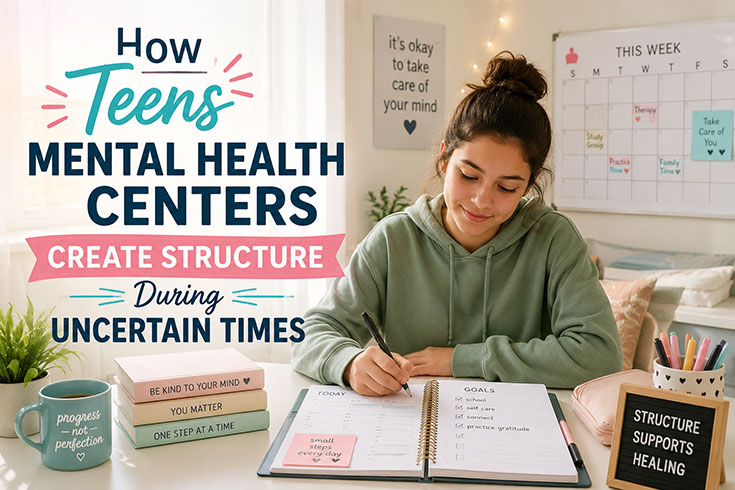
Teen using a planner and daily routine tools in a calm environment that supports mental health, stability, and emotional well-being.

Unlike one provider working independently, mental health centers typically bring multiple elements of care together. It can include therapy, psychiatric evaluation when appropriate, and structured outpatient programming. For families looking for clarity, that coordination can make the process feel more manageable.

What Teens Mental Health Centers Often Include

Many teens mental health centers provide individual therapy as the foundation of care. Licensed clinicians with experience in adolescent development often use approaches such as cognitive behavioral therapy and dialectical behavior therapy to address anxiety, depression, trauma, and emotional regulation challenges. These methods focus on practical tools that teens can apply between sessions.

Group therapy is another common feature within mental health centers, offering supervised peer interaction that can reduce isolation and build communication skills. Family sessions may also be part of treatment, especially when home dynamics influence stress levels. In some cases, psychiatric services are available within the same setting to support medication management when clinically appropriate.

Levels of Care in Mental Health Centers

Not every teen requires the same intensity of support, and teens mental health centers often reflect that reality through a continuum of care. Standard outpatient therapy may involve weekly sessions that allow teens to remain fully engaged in school and daily routines. This level can be appropriate when symptoms are present but not severely disruptive.

For teens experiencing more significant challenges, teens mental health centers may offer intensive outpatient programs that meet several hours per day on multiple days each week. Partial hospitalization programs can provide even more daytime structure without requiring an overnight stay. This range of options allows care to increase or decrease depending on symptom severity and overall functioning.

How Teens Mental Health Centers Connect with Daily Life

One of the practical strengths of mental health centers is their attention to routine. School expectations, peer relationships, and family responsibilities do not pause during treatment. Programs often include discussions about time management, communication at home, and coping strategies that teens can practice in real situations.

Some teens mental health centers also incorporate telehealth sessions into outpatient services, which may help families manage transportation and scheduling challenges. Even when virtual sessions are included, structure and professional oversight remain central to care planning.

Evaluating Teens Mental Health Centers with Clear Criteria

When comparing teens mental health centers, families may find it helpful to focus on organization and qualifications rather than marketing language. Questions about staff licensing, experience with adolescents, privacy practices aligned with HIPAA standards, and how progress is reviewed can clarify differences between programs.

Logistics also deserve attention. Insurance coverage, scheduling flexibility, and communication between clinicians and caregivers can shape long-term participation. Many families find that teens mental health centers feel most workable when services are clearly explained, expectations are realistic, and adjustments in care are discussed openly as needs change.


Raising Confident Kids: Practical Parenting Tips for Busy Moms

Parenting is one of the most rewarding—and challenging—jobs in the world. Between school schedules, work responsibilities, household chores, and everything in between, moms often feel stretched thin. Yet one of the biggest goals many parents share is raising confident, happy, and emotionally healthy children.

Raising Confident Kids: Practical Parenting Tips for Busy Moms

The good news? Building confidence in kids doesn’t require perfection or endless free time. With consistent habits, supportive communication, and realistic expectations, busy moms can nurture confidence in everyday moments. As moms, we don’t just teach confidence through words—our kids learn by watching us, which is why modeling confidence and good mental health plays such a powerful role in how children view themselves.

Below are practical, real-life parenting tips designed to fit into modern mom life. [Read more…]

What Kinds Of Foods Do Toddlers Like To Eat?

As a parent, understanding what kind of food toddlers like to eat can be a challenging task. Toddlers are known for their picky eating habits and preferences that can change from one day to the next. However, there are some general trends and guidelines that can help you navigate this important stage of your child’s development.

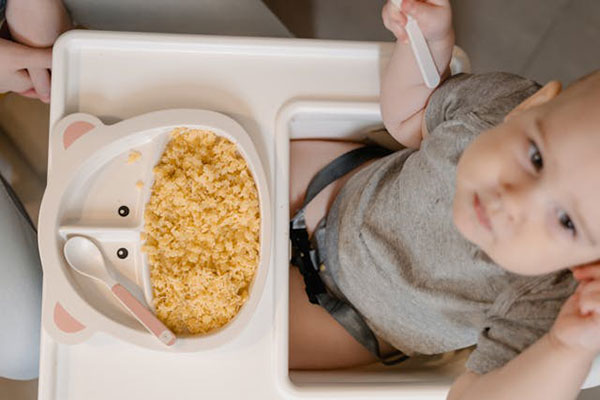
What Kinds Of Foods To Toddlers Like To Eat

What are Toddlers’ Favorite Foods?

Research shows that toddlers tend to prefer foods that are familiar to them. This often includes simple, easy-to-eat items such as fruits, vegetables, and carbohydrates. According to a study published in the Journal of Nutrition Education and Behavior, toddlers are more likely to enjoy foods that are sweet or mild in flavor.

How to Encourage Healthy Eating Habits

While it’s natural for toddlers to have preferences for certain foods, it’s important for parents to encourage a balanced and nutritious diet. One way to do this is by offering a variety of foods at each meal, including different colors, textures, and flavors. Studies have shown that repeated exposure to new foods can increase a child’s acceptance of them over time.

Healthy Snack Ideas for Toddlers

When it comes to snacks, toddlers often enjoy finger foods that are easy to pick up and eat on their own. Some healthy snack ideas for toddlers include sliced fruits, whole grain crackers, yogurt, and cheese. These options provide a good balance of nutrients and are easy for little hands to manage.

Common Toddler Food Aversions

Many toddlers go through phases where they refuse to eat certain foods. This can be frustrating for parents, but it’s a normal part of a child’s development. Some common food aversions in toddlers include bitter vegetables, spicy foods, and foods with strong flavors. It’s important to be patient and continue offering these foods in small amounts to help your child develop a more diverse palate.

If you’re looking for simple meals your toddler will actually eat, here are some easy and kid-friendly ideas to try:

  • Scrambled eggs with toast and sliced fruit
  • Mac and cheese with steamed broccoli
  • Peanut butter and banana sandwich (or sunflower butter alternative)
  • Mini quesadillas with cheese and chicken
  • Yogurt with granola and fresh berries
  • Chicken nuggets with sweet potato fries
  • Pasta with butter or marinara sauce
  • Cheese cubes, crackers, and apple slices
  • Oatmeal with cinnamon and diced apples
  • Grilled cheese sandwich with tomato soup

Every toddler is different, so it may take a few tries before they accept new foods. Keep offering a variety of options and try to make mealtime fun and low-pressure. As toddlers learn to feed themselves, encouraging independence during mealtime can help build confidence. Here are some tips on fostering independence in children.

Overall, understanding what kind of food toddlers like to eat can help parents navigate the challenges of feeding young children. By offering a variety of nutritious options and being patient with their changing preferences, you can help your child develop healthy eating habits that will last a lifetime.

The Impacts Of Co-Working Spaces On Traditional Office Norms For Working Parents

How do you balance a demanding career with the chaos of parenting? For years, the answer for many working parents was “barely.” But what if the structure of the workplace itself could shift to make life easier, not harder? 

The Impacts Of Co-Working Spaces On Traditional Office Norms For Working Parents

Co-working spaces are emerging as a breath of fresh air for working parents looking for a different office space for rent. These flexible hubs have been steadily gaining popularity, not only among freelancers and entrepreneurs but increasingly among parents who are looking for an alternative to the rigid norms of traditional offices.  [Read more…]